

New World Screwworm

NWS, Cochliomyia hominivorax - a devastating parasitic fly


USDA-FDA Screwworm Announcement Timeline


FDA Issues Emergency Use Authorization for Over-the-Counter Injectable Drug

 to Prevent New World Screwworm in Cattle

CVM Updates

February 5, 2026


Today the U.S. Food and Drug Administration issued an Emergency Use Authorization (EUA) for Ivomec (ivermectin) injectable solution against New World screwworm (NWS). The agency has concluded that based on the scientific evidence available, it is reasonable to believe that Ivomec may be effective for the prevention of infestations caused by NWS larvae (myiasis) in cattle when administered within 24 hours of birth, at the time of castration, or when a wound appears, and the known and potential benefits of the product outweigh its known and potential risks. 


Ivomec is not for use in female dairy cattle producing milk for human consumption and calves that will be processed for veal. The slaughter withdrawal period for cattle is 35 days.


This EUA will be effective until it is revoked or the HHS Secretary terminates the declaration that the potential public health emergency presented by NWS justifies the emergency use authorization of animal drugs for NWS.


Ivomec is available over the counter without a prescription. Producers are responsible for using Ivomec in accordance with the product labeling and fact sheet. To reduce the risk of antiparasitic resistance and preserve drug effectiveness against both NWS and other parasites, producers are encouraged to use antiparasitic drugs like Ivomec only when medically necessary and as part of a comprehensive parasite management strategy.  


The FDA has previously approved Ivomec to treat and control other parasites in cattle, swine, reindeer and American bison. 


Ivomec is sponsored by Boehringer Ingelheim Animal Health USA, Inc. based in Duluth, Georgia.
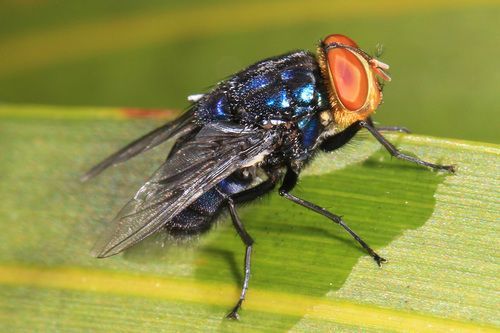

New World Screwworm

NWS, Cochliomyia hominivorax - a devastating parasitic fly

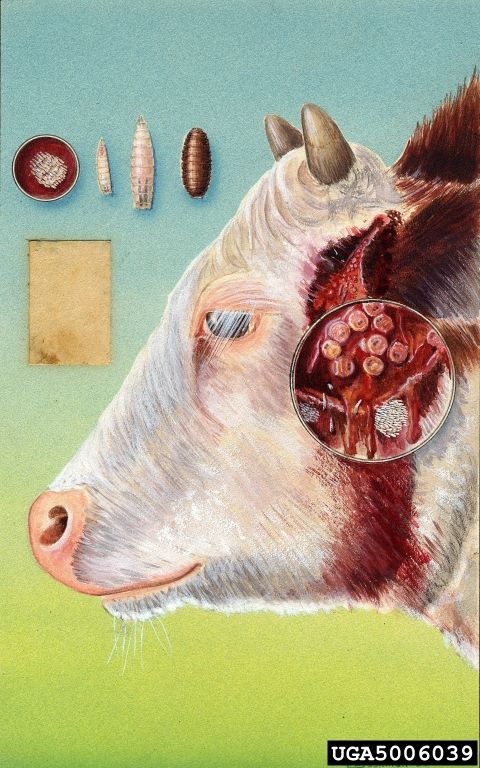
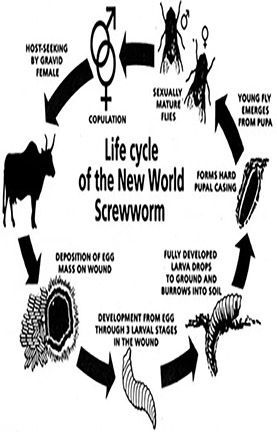
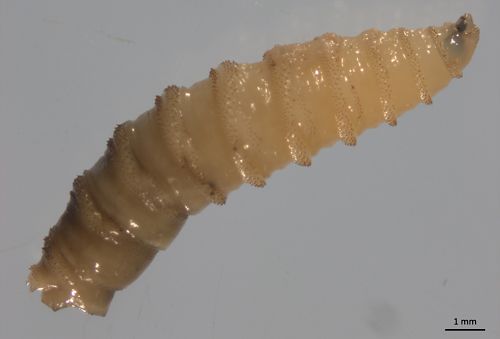
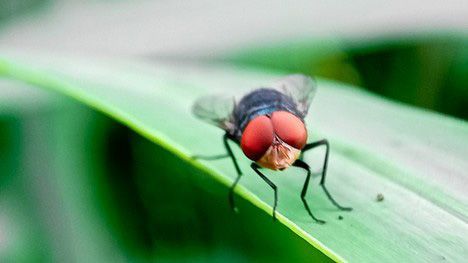
The New World Screwworm (NWS, Cochliomyia hominivorax) is a devastating parasitic fly native to the Western Hemisphere. When NWS fly larvae (maggots) burrow into the flesh of a living warm-blooded animal, it lays eggs in the living tissue of fresh wounds. The larvae (maggots) feed on the host’s flesh, causing severe wounds and often death if untreated. NWS can infest livestock, pets, wildlife, occasionally birds, and in rare cases, people.


The pest was eradicated in the U.S. in the 1960s. Since then, it occasionally reemerges and has resurfaced in Central America and Mexico. They are controlled only through the release of sterile males, known as the sterile insect technique (SIT). This approach, along with regular active surveillance and livestock inspections, has proven highly successful.


As of May 2025, renewed attention to this parasite is crucial, as it may pose future risks to livestock and wildlife. This is a fast-moving issue, as we have seen the border close, then open, now closed again. With a reported case in Veracruz in Mexico, the screwworm is 370 miles south of the U.S./Mexico border (see map below). It will be very important for us in Arizona to track these developments.


Secretary of Agriculture Brooke Rollins has been transparent in the plans the Department has created to fight this pestilence. They are focusing on three strategies to strengthen our response:

  1. Effective controls on the movement of animals
  2. Strong surveillance systems and public outreach
  3. The use of sterile insect technology and exploring additional innovative methods of eradication. 


Click this link to read and/or download the Domestic Readiness and Response Policy Initiative   5-Prong Strategy from USDA. This site will be updated as new information is available.

Additional Informational Resources